


Dry vs. Wet IBA Sorting: Which Process is Best for WtE Plants?
As global urbanization drives the expansion of Waste-to-Energy plants, operators face a critical and lucrative question: What is the most profitable and environmentally compliant way to handle the resulting ash? The debate ultimately comes down to one fundamental engineering choice: wet vs dry incineration bottom ash processing.
Historically, Incineration Bottom Ash (IBA) was viewed merely as a waste product destined for the landfill. Today, it is recognized as a highly valuable "urban mine." Maximizing metal recovery from IBA—including ferrous scrap, aluminum, copper, and trace precious metals—can transform a plant's balance sheet. However, the method you choose to extract these resources will dictate your plant's metal recovery rates, secondary aggregate quality, capital expenditure (CapEx), and strict environmental compliance.
In this comprehensive guide, we will break down the mechanics, pros, cons, and deep economic realities of both methods. Whether you are building a new facility or upgrading an existing one, you will learn exactly how to choose between dry and wet IBA processing to achieve zero waste to landfill.
1. Understanding Dry IBA Sorting
Dry sorting is the traditional method of processing bottom ash. In this process, the ash is either aged (weathered) for several weeks to reduce its moisture content or processed immediately using mechanical sizing and magnetic separation without the addition of process water.
The Dry Sorting Process
- Aging/Weathering: Ash is stored in open or covered bunkers for 4 to 12 weeks to naturally dry and carbonate.
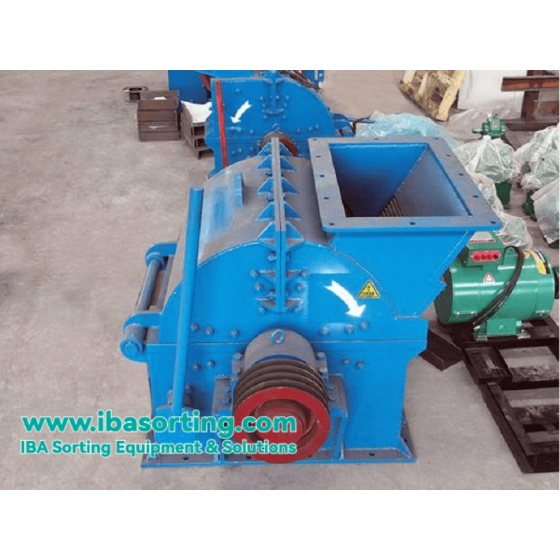
- Primary Crushing & Screening: The dry ash is fed through primary crushers and vibrating screens to separate oversized clinkers.
- Magnetic Separation: Overband magnets remove ferrous scrap (iron, steel).
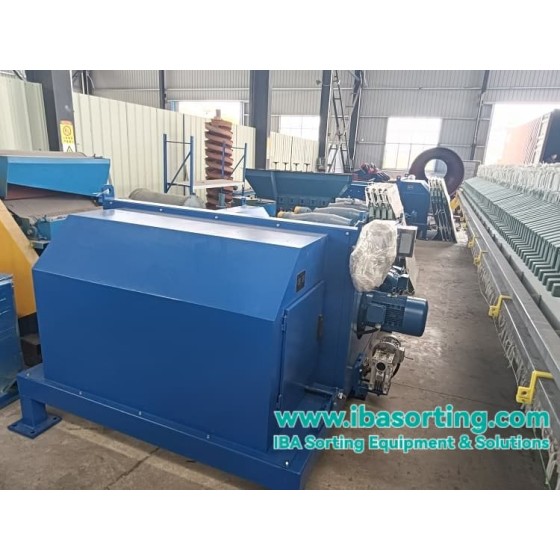
- Eddy Current Separation: Eddy Current Separators (ECS) repel lightweight non-ferrous metals like aluminum.
Pros of Dry Sorting
- ✔ Lower Initial CapEx: Dry plants require less complex equipment. There is no need for water treatment facilities, thickeners, or filter presses.
- ✔ Simpler Operation: The operational mechanics are straightforward, requiring less specialized engineering knowledge to maintain day-to-day.
Cons of Dry Sorting
- ✖ Toxic Dust Emissions: Dry processing generates massive amounts of airborne dust containing heavy metals and dioxins, challenging strict environmental compliance.
- ✖ Lower Metal Recovery: Fine metals (< 5mm) are often coated in a layer of hardened ash dust. This "cementing" prevents sensors and eddy currents from recognizing the metal, leading to significant losses of fine copper and precious metals.
- ✖ Poor Aggregate Quality: Dry sorting cannot wash away soluble salts (chlorides, sulfates). The remaining slag often fails environmental leaching tests and must be sent to a landfill at a high cost.
2. Understanding Wet IBA Sorting
Wet sorting is the modern, advanced approach to IBA processing. It utilizes a continuous flow of water throughout the crushing, screening, and sorting stages. The water acts as a transport medium, a cleaning agent, and a superior dust suppressant all at once.
The Wet Sorting Process
- Immediate Processing: No aging required. Ash goes straight from the incinerator quench bath into the plant.
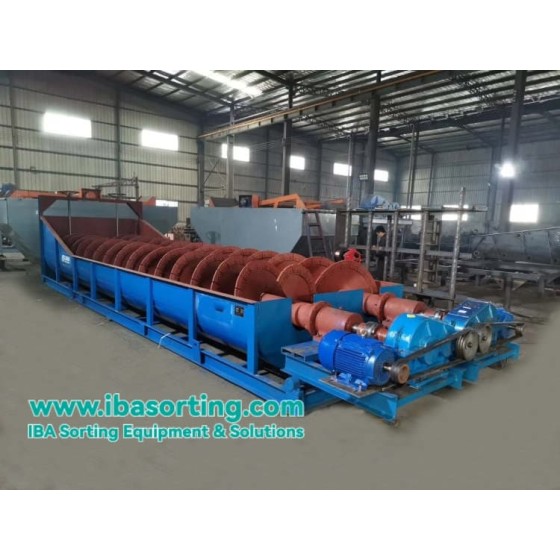
- Wet Screening & Washing: Trommel screens and Slag Washers scrub the ash, breaking surface tension and washing away fine mud and salts.
- Advanced Metal Recovery: Cleaned materials pass through ECS units. The heavy sludge undergoes gravity separation using Jigs and Shaking Tables to extract ultra-fine copper and precious metals.
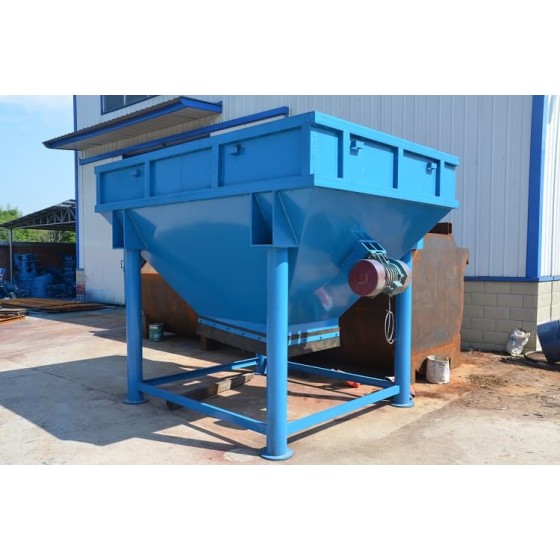
- Water Recycling: The dirty process water is pumped into a Sludge Filter Press, producing dry mud cakes and recycling clear water back into the system.
Wet IBA Processing Environmental Benefits
Beyond just profitability, the wet IBA processing environmental benefits are unparalleled. By using a Zero Liquid Discharge (ZLD) closed-loop water system, wet plants completely eliminate hazardous dust clouds. Furthermore, the intense washing action removes harmful chlorides and unburned organics from the slag. This converts toxic residue into clean, CE-certified secondary aggregates, helping Waste-to-Energy plants achieve true zero waste to landfill.
3. Economic Analysis of Dry vs. Wet Sorting
When evaluating how to choose between dry and wet IBA processing, the financial modeling goes far beyond the initial equipment cost. Here is a breakdown of the long-term economic impact:
- 💰 Capital Expenditure (CapEx): Wet plants require a 30% to 50% higher initial investment due to the inclusion of water treatment systems (thickeners, filter presses) and specialized stainless-steel or anti-corrosion equipment.
- 💰 Revenue from Metals: Because wet washing strips the "cement crust" off metal particles, wet plants typically recover 20% to 30% more fine non-ferrous metals (ZORBA, heavy copper, brass) compared to dry plants. In today's commodity market, this translates to millions of dollars in additional annual revenue.
- 💰 Landfill Tax Savings: This is often the deciding factor. In regions with strict environmental compliance and high landfill taxes (e.g., Europe, parts of Asia), paying to dump unwashed dry slag destroys profit margins. Wet processing turns that liability into a saleable construction asset.
4. Real-World Case Study: Retrofitting to a Wet Plant
Client: A 1,000 TPD Waste-to-Energy Plant operating a legacy dry sorting line.
The Challenge: The plant was losing vast amounts of micro-fine copper (<2mm) in the ash, and tightening local environmental compliance laws meant their dry slag could no longer be dumped cheaply.
The Solution: IbaSorting retrofitted a modular wet "tailings treatment" circuit at the end of their existing line. This included Slag Washers, Gravity Jigs, and a Filter Press.
The Result: The plant successfully extracted an additional 1.5% of high-grade heavy metals from the fine ash. Combined with the elimination of landfill tipping fees by selling the washed aggregate, the entire retrofit CapEx achieved a full Return on Investment (ROI) in just 14 months.
5. Head-to-Head Comparison Table
| Factor | Dry Sorting | Wet Sorting |
|---|---|---|
| Initial Investment (CapEx) | Lower | Higher |
| Fine Metal Recovery (< 5mm) | Poor (metals covered in dust) | Excellent (clean metals, gravity separation) |
| Secondary Aggregate Quality | Low (high salts and chlorides) | High (washed, passes leaching tests) |
| Environmental Compliance | Struggles with hazardous dust | Zero dust; uses Zero Liquid Discharge |
| Long-Term ROI | Moderate | Very High (Zero waste to landfill) |
Frequently Asked Questions (FAQ)
Does a wet sorting plant consume a lot of municipal water?
No. Modern wet IBA plants are designed as "closed-loop" systems. The wastewater generated from washing the slag is sent through a thickener and a Filter Press. The press removes the toxic solids as a dry cake, and 100% of the clarified water is recycled back into the washing equipment. Only a minimal amount of top-up water is required to replace what evaporates.
Can I upgrade my existing dry plant to a wet plant?
Yes, retrofitting is highly recommended to improve environmental compliance. Many Waste-to-Energy plants initially build dry lines and later add a wet "tailings treatment" module to wash the remaining aggregate and capture the missed fine metals.
Ready to Maximize Metal Recovery from IBA?
Choosing the right processing method is the most important decision for your WtE facility's profitability. At IbaSorting, we design, manufacture, and install turnkey wet and dry sorting solutions tailored to your local environmental regulations and market demands.
Learn more About Us and our commitment to environmental technology.